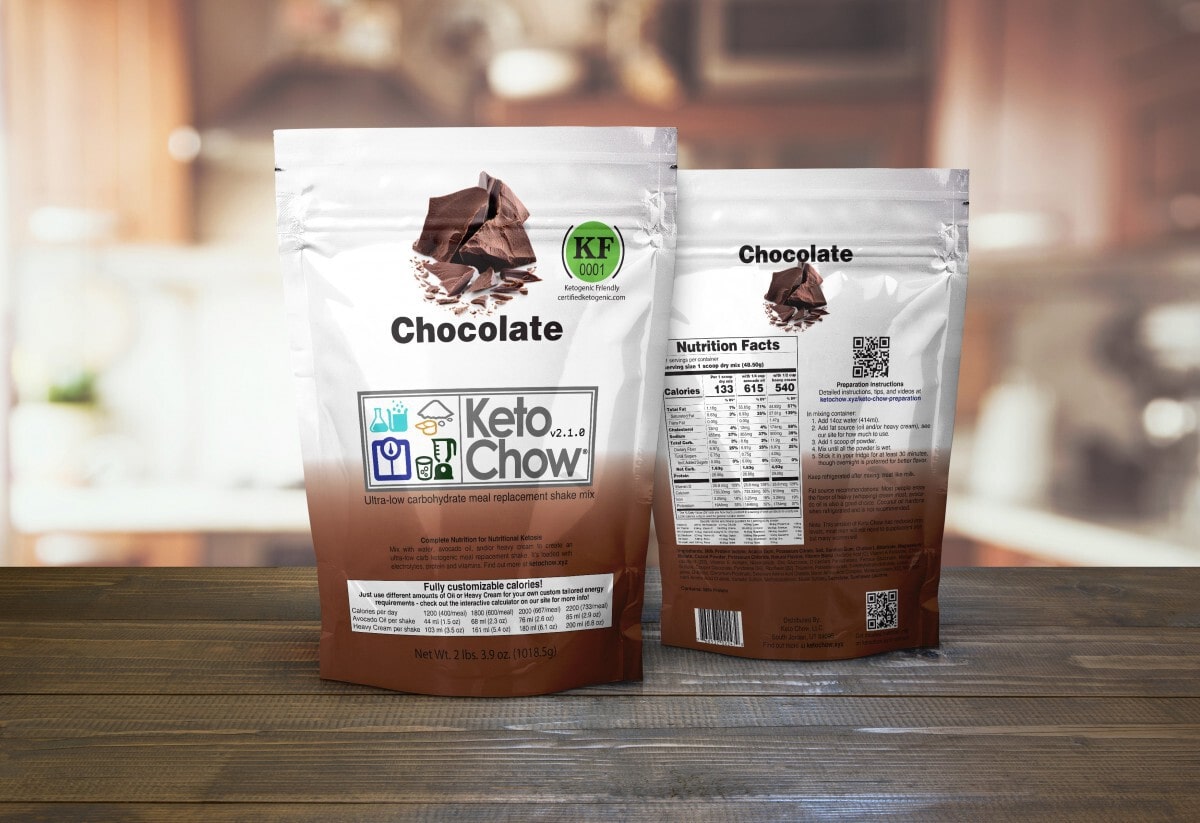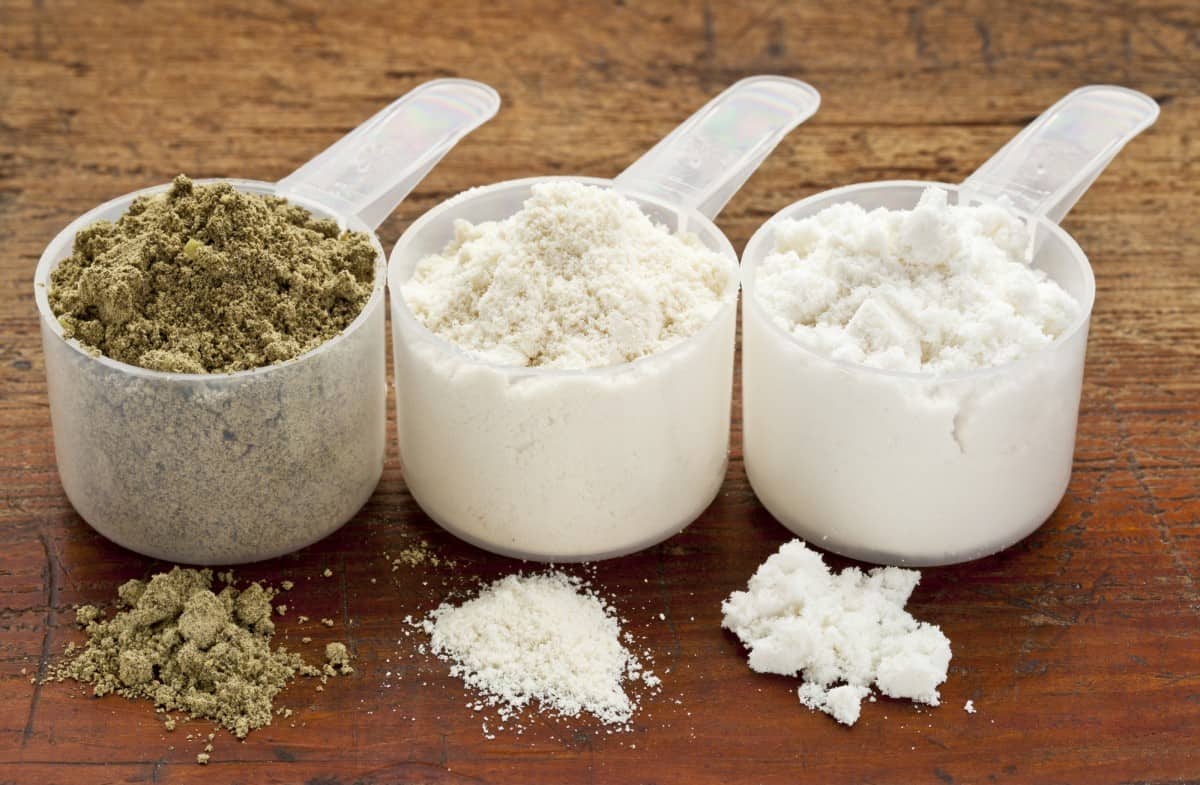
The protein powder market is a relatively old and saturated market. It has well-established brands that every person who tries to build muscle is aware of. The formulas from such companies are not new and that’s why most of them don’t fit the keto macro ratios. They often loaded with carbs since there is a notion of carbohydrates being required for muscle building and recovery.
Even if you get lucky by choosing a random jar of protein powder there is always a chance of low quality. If you don’t know what the real protein numbers you are getting, it’s easy to undershoot or overshoot. When you consume less protein than you need on keto, then you might stall your bodybuilding progress. When you consume more, then you might be kicked out of ketosis.
Protein impurity plays a crucial role to determine how much you should consume and we used it as an important factor to select high-quality keto-friendly protein powders. Protein powder is a dietary supplement and it’s loosely controlled by FDA. You can’t simply rely on label accuracy! In such cases we look for quality control performed by third-party companies such as labdoor.com.
Difference between a regular powder and a keto diet powder
Sweeteners
Great protein powder can be ruined for keto with the use of a wrong sweetener. What makes the problem even harder is the secretive nature of the sweeteners being used. The protein powder manufacturers almost never claim what is used to sweeten the product. Often it takes quite a bit of digging to figure it out. If you can’t, skip the product. It doesn’t worth the risk.
The most accepted keto sweeteners are stevia, erythritol and monk fruit. Each one of those has different tasting profiles with pros and cons. It’s up to you to decide which one is the most enjoyable.
Fat Content
Some keto-focused companies are marketing their protein powders designed for keto by not only using an acceptable sweetener but adding fat content to it.
Additional fat content makes the powder’s macro perfect for keto. In theory. It actually becomes a fat bomb with most of the fat coming from saturated fat.
We consume additional protein to cover our needs in protein mostly due to bodybuilding or physical activities. That means an additional caloric load added through fat makes it easier to gain weight when we don’t want to.
MCT Oil
Another way companies attach a keto claim to a protein powder is through the addition of MCT Oil. There is nothing wrong with MCT but it has the same potential issue as described earlier since MCT is fat.