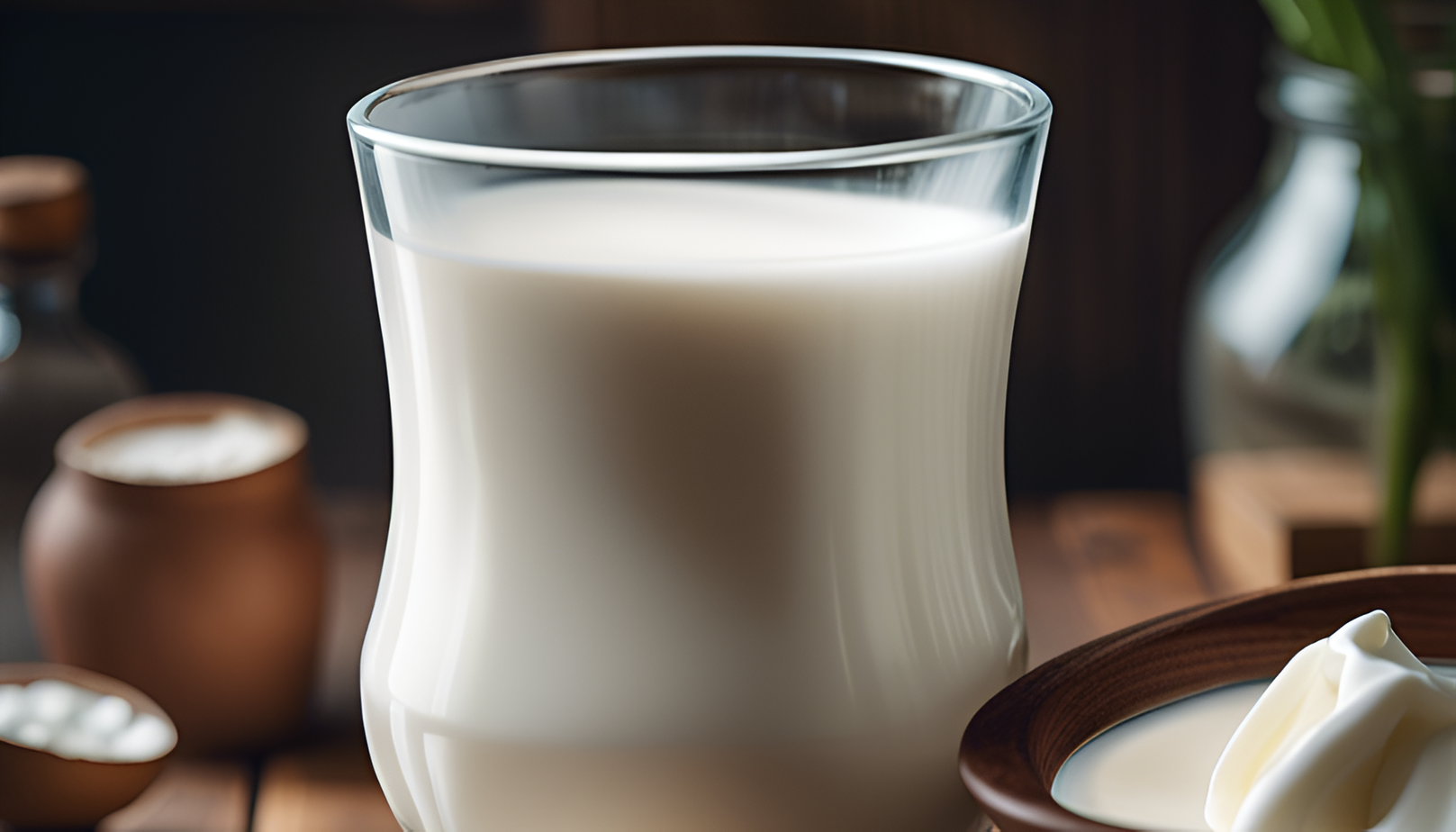
A full glass of cow’s milk is harder to fit into strict keto than a splash. One cup of whole milk (244g) has 11.7g total carbs and 11.7g net carbs, with 0g fiber. Unsweetened almond milk offers a lower-carb alternative; coconut and cashew drinks need a carton check. The word ‘milk’ doesn’t tell you the carb count.
Keto-Friendly Dairy Options
You don’t have to give up all dairy on keto. Cream and cream cheese can fit in measured portions, but neither is a carb-free substitute to pour as freely as water. Check the serving you actually use.
Whipping cream
When it comes to finding a suitable milk substitute for your ketogenic lifestyle, whipping cream is a top-notch choice. Even though it’s made from cow’s milk, this delectable delight is packed with high levels of fat and low in carbs - perfect for staying in ketosis.
Whipping cream’s richness works well in coffee and recipes. One tablespoon of heavy whipping cream (15g) has 0.4g total carbs and 0.4g net carbs, with 0g fiber. See the heavy cream carb page. A tablespoon isn’t the same serving as a glass of milk.
To make sure you’re selecting the ideal whipping cream for your keto journey, always remember to give those nutrition labels a thorough glance. This will help you ensure that no added sugars or unnecessary ingredients sneak their way into your dairy treasure trove. It’s worth noting that carb content can differ between brands, so it’s vital to keep track of how much whipping cream you include in your daily carb count.
In conclusion, if you’re on the hunt for a luscious milk substitute on your keto voyage - one that oozes with flavor and offers an irresistibly creamy texture - consider whipping cream as your ultimate alternative to regular milk. Just keep in mind to opt for the unsweetened variation and be cautious with portion sizes to maintain a harmonious balance within your daily macronutrient requirements.
Cream cheese
Cream cheese brings a rich texture to recipes. One ounce (28g) has 1.5g total carbs and 1.5g net carbs, with 0g fiber. See our cream cheese carb page.
But that’s not all! Cream cheese has another trick up its sleeve: its high fat content. This means you’ll feel satisfied and full for longer, thanks to this creamy delight. And don’t forget about the protein kick it provides! It’s the ideal choice if you’re aiming for a moderate protein diet.
What can you do with cream cheese? Well, the possibilities are endless! Need a spread for that low-carb bread or crackers? Cream cheese has got you covered. Want to jazz up your savory recipes with dips, sauces, or creamy soups? Just add some cream cheese magic. Oh, and did we mention it makes an amazing filling for keto-friendly desserts too?
When shopping for cream cheese, remember to go for the full-fat variety. Avoid the flavored options that may sneak in added sugars. You’ll easily find cream cheese at your local grocery store-it’s practically a staple in every ketogenic pantry. So don’t hold back on indulging in this delectable treat while staying true to your keto journey!
Non-Dairy Milk Options on Keto
For a pourable milk alternative, compare the unsweetened product you actually buy. Almond, coconut and cashew drinks vary by recipe and brand. Some can fit a keto carb budget, but none gets a free pass just because it’s dairy-free.
Coconut milk
Coconut milk! Ah, the creamy delight that adds a dash of oomph to our keto diet. So how is it made? Well, we start by blending coconut meat with some water and then straining out the solid parts. The end result is this silky goodness that just brings life to so many recipes and drinks.
Check the carton and choose an unsweetened coconut milk beverage if its carbs fit your plan. Carb content varies by brand and recipe, so use the carton for a per-cup count. Canned coconut milk for cooking is a different product from a diluted drink.
Don’t rely on coconut milk’s fat content to guarantee ketosis. Count the beverage’s labeled serving and any other ingredients in the drink.
Coconut milk’s flavor and creaminess work in sweet or savory dishes. Just match the carton or can to the recipe and count the actual portion.
Cashew milk
Cashew milk can be a dairy-free option if the product fits your carb budget. Carb content varies by brand and recipe. Check the carton instead.
Don’t assume a cashew drink has the same fats or minerals as whole cashews. Ingredients and fortification vary, so use its nutrition label.
It’s crucial to choose unsweetened cashew milk options to keep added sugars at bay and maintain a low carb count. Pay attention to brands that refrain from adding flavorings or sweeteners.
When incorporating cashew milk into your routine, there are limitless possibilities! Whether you enjoy it chilled as a refreshment on its own or utilize it as an alternative to traditional dairy milk in all sorts of recipes - smoothies, cereal, coffee, and even baked goods - its heavenly creamy texture works wonders.
If you avoid dairy, cashew milk is an option to consider when the carton’s carbs fit your serving. Don’t choose it on creaminess alone.
Milks to avoid
When it comes to following a keto diet, choosing the right milk can make all the difference. Certain kinds of milk should be avoided due to their high carb content, as they can throw your ketosis off track and hinder your progress towards better health.
Cow’s milk contains lactose, a natural sugar. The USDA whole milk entry gives 11.7g net carbs per cup (244g). That’s a substantial amount for a drink on strict keto, although a small measured splash may fit. See the whole milk carb page.
Another milk to steer clear of is rice milk. Rice itself is high in carbs, and this trait extends to rice-based products like rice milk too. Sweetened versions of almond and soy milk should also be avoided because they usually contain hefty amounts of added sugar.
Unsweetened almond milk can offer fewer carbs than cow’s milk. For coconut or cashew beverages, check the actual carton rather than assuming every unsweetened product has the same count.
By being mindful of the milks you consume and opting for keto-friendly options, you can savor your favorite beverages while staying true to your dietary goals.
Keto-friendly milks
For a milk alternative, look first at the carbs in your serving. A beverage doesn’t need to be high in fat to fit your keto meals.
For a cup-to-cup comparison, the unsweetened shelf-stable almond milk entry uses a cup weighing 262g. It supplies about 3.4g total carbs, 0.5g fiber and 2.9g net carbs. Those are the per-100g values multiplied by 2.62, rounded to two decimals. The whole milk cup above weighs 244g; both are cups as listed in their respective entries.
That almond milk figure is for an unsweetened shelf-stable USDA entry; it isn’t a promise for every brand. For unsweetened coconut or cashew milk beverages, check the carton’s carb and fiber figures for your serving.
Always make sure to check the label when selecting a keto-friendly milk alternative since certain brands may contain higher carb amounts or added sugars. By opting for these low-carb milk options, you can relish the taste and advantages of milk while staying in ketosis.